



Sketchbook
Public art to again decorate traffic boxes around Buckeye
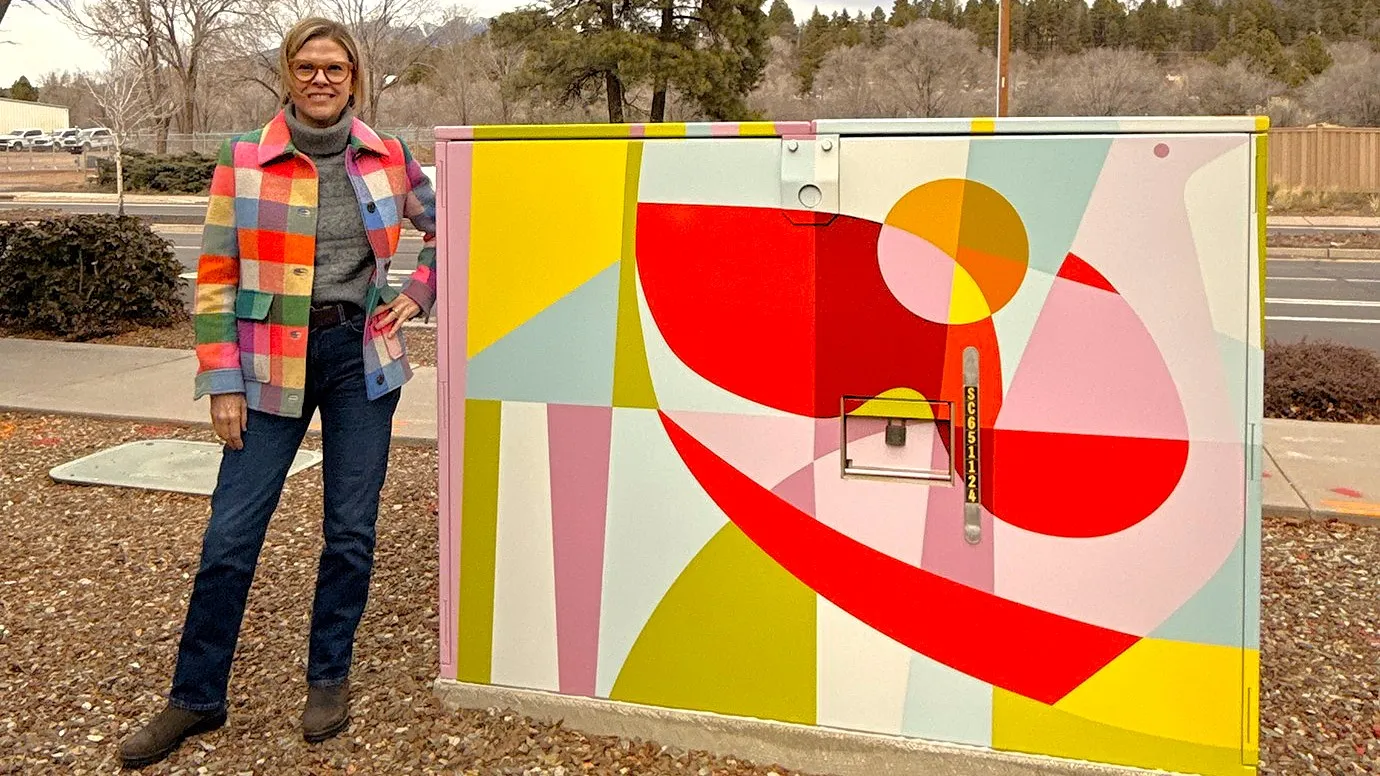
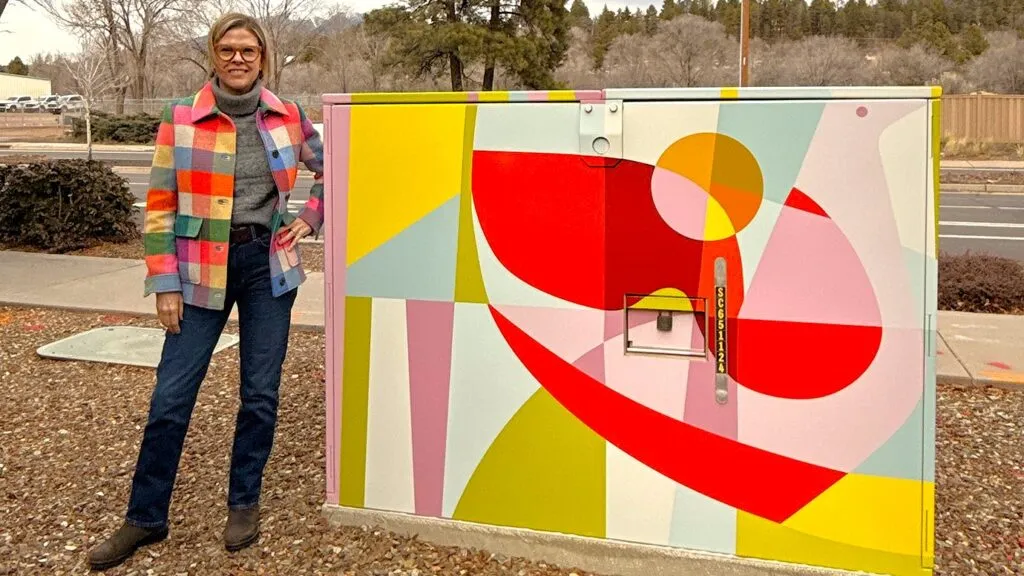
Liz Taylor is used to working in large format artwork, mostly as murals or other durable art used in health care facilities.
She said she was excited for the opportunity to “improve the access to art for people in the community.”
She said public art has been studied and shown to decrease crime and reduce graffiti.
Now in its second year, the traffic box art project has a goal of beautifying otherwise plain looking utility installations that go mostly unnoticed to drivers and pedestrians using Buckeye’s roadways.
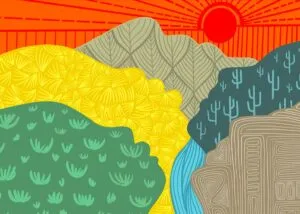
Ilana Lydia Holden, Arts & Culture manager with the city’s Community Services Department, said she and others with Community Services were looking for public art that could be shared “at low expense but high visibility.”
Each of the 14 artists participating in the project were given one of three assigned themes: “Mountains,” “Rivers” or “Heritage.”
They also were given direction to get community feedback on what residents would like to see on the assigned traffic boxes.
Taylor’s research included talking to people in the community, providing a QR code that allowed residents to respond and help her better understand how the theme of “Mountains” were important to them.
She said she tried to reflect those ideas in her piece, where many of the individual elements in her art are woven together to make up the whole. She said that idea was reflective of community.
“We are better when we come together as a community,” she said.
Holden said that kind of community engagement was a requirement for artists to receive the $1,200 offered for their work.
Some traffic box artwork is already on display around Buckeye, but residents will see the next cohort go up in April and May and another in July and a third wave closer to December and January.
Charith Denson, an accomplished Peoria-based artist, said she felt honored to be chosen for the project.
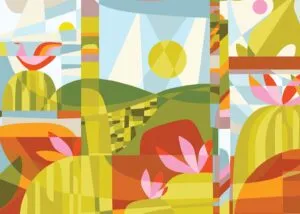
She and another participating artist, Jessie Kerr, partnered to contact residents in Buckeye, to better understand what they would like to see.
They created an online Google Form with color pallet choices and other options to help them understand the best how they
Her assigned theme was “Mountains,” which allowed her to incorporate some of her favorite concepts.
Her traffic box piece includes silhouettes of human faces that make a collection of mountain ranges.
“It's … really important to me that there is a human element in my pieces,” Denson said. “And that people feel like they can see themselves in that story. And, so I wanted to use profiles for the mountains, so that people in Buckeye could kind of see how they're part of shaping the landscape.”
Denson said that regardless of whether her art is a public work or commissioned she wants people to have access to art.
“That's kind of been the driving force,” she said. “But it's also important to me that people have access to the art. So it's not just in museums, and it's not just for those that can afford to pay for it. Really, public art fits into the ethos I have for how art should be consumed.”
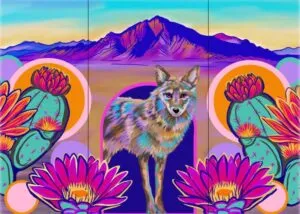
Kerr said the aesthetic for her most current project “blends two-dimensional graphic elements with a fully rendered, painterly approach.”
“As a painter, I enjoy incorporating oil techniques into my digital work, using specialized brushes to create textures that feel richly traditional,” Kerr said.
She said the public art project feels fulfilling, having her work on display for all to enjoy.
“My friends often send me photos when they spot my pieces, though my children are still a bit too young to realize that having a parent’s artwork on street corners isn’t a universal experience,” she said.
“Public art is vital because it enhances the city's relevance,” Kerr said. “Introducing color into an otherwise beige landscape adds essential interest and personality. I particularly appreciate the city’s commitment to hiring local artists to highlight Buckeye’s unique character.”
